

i. @lamourartisans
t. +61 491 732 617
e. willow@lamourartisans.com
Frequently Asked Questions
Need help?
How Lamour Artisans Works
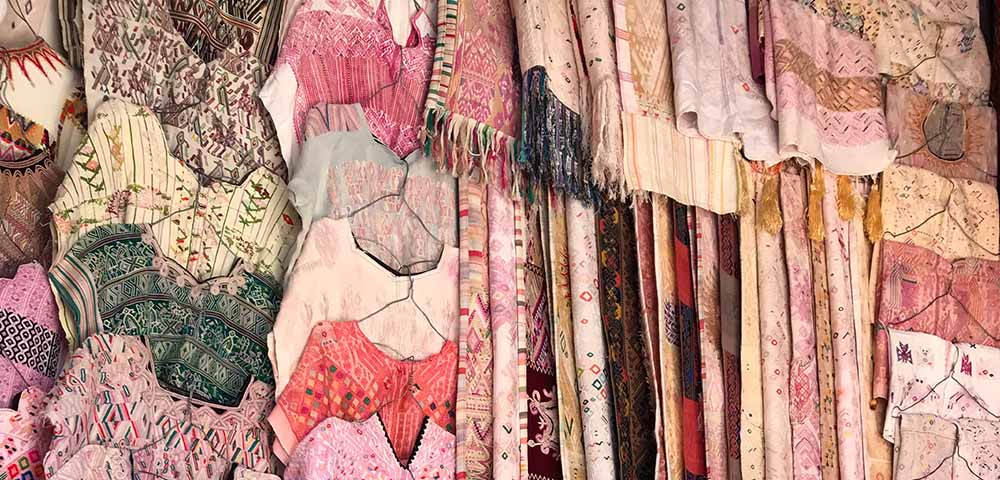
We're a marketplace for second-hand huipiles already for sale in the Guatemalan artisan markets. Mayan vendors consign their huipiles to the website for 2 weeks. If sold we organise a local courier to collect it and pay the vendor on the day of collection.
Our Mayan vendors do. They upload their own huipiles to our website via a specialised app, choosing which pieces to list and when.
The vendors set their own prices, without interference from us.
Each huipil is reserved for two weeks while it's listed on our website. If it hasn't sold in that time, it's taken offline and returned to the vendor's market stall.
In full, on the day the piece is collected by courier.
Product & Materials
A huipil is a traditional hand-woven blouse made by Mayan women in Guatemala, individually woven on a backstrap loom — a portable loom tied between the weaver's waist and a fixed point like a tree or post, so it can be used at home or wherever the weaver happens to be. A huipil can take weeks or even months to complete, depending on its complexity and style. Every piece has its own unique pattern, colour palette, and story tied to the village and weaver who made it — which is why no two Lamour Artisans pieces are ever quite the same.
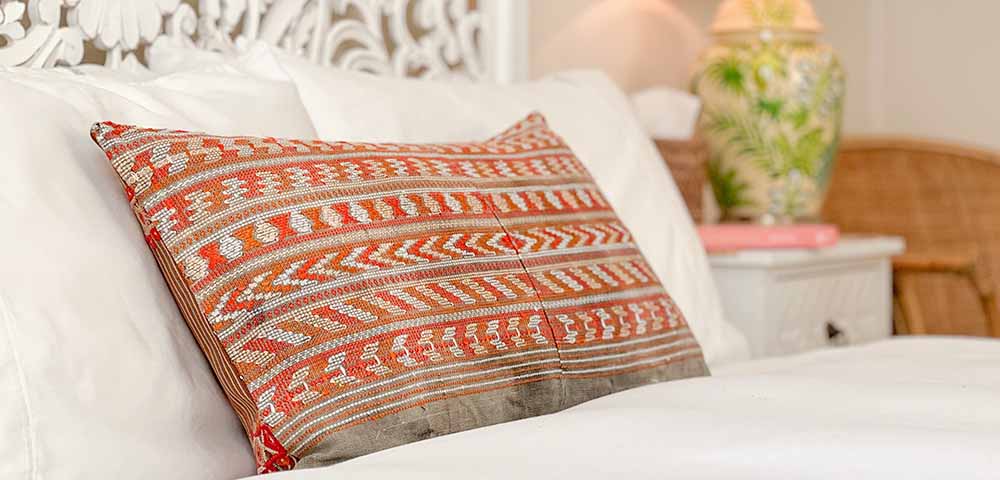
We only sell vintage textiles already for sale in the Guatemalan artisan markets. We work directly with Mayan vendors, so every piece is authentic and hand-crafted using traditional techniques.
The embroidery is almost always identical on both sides of the huipil, sometimes there are small differences in colour on one side.
Hand wash gently in cold water. If the natural dye runs during washing, add a handful of salt to the final rinse. Air dry flat, out of direct sunlight, to preserve the embroidery and colours. Avoid machine washing or tumble drying.
Ethics & Sourcing
Mayan artisans hand-weave these textiles on a backstrap loom in their homes or wherever they happen to be, since the loom is portable — a process that can take weeks or months depending on complexity. New huipiles can cost anywhere from high hundreds and up to $1,000+ for ceremonial or silk pieces.
Our pieces come from various Mayan vendors who sell in the textile markets in Guatemala, including Antigua, Panajachel, and Chichicastenango. The vintage huipiles are sourced from regions all over Guatemala. The name of the region will be on the product title.
Ordering
Follow @lamourartisans and check Shop My Stories — new textile drops are posted there first. Each available textile in the stories has a shopping tag linking straight to its product page, or you can browse the website directly — the latest huipiles are always at the top of the collection page.
Generally no — vendors have full autonomy over which huipiles they choose to upload. You're welcome to ask about a specific region, but there's no guarantee they'll have that textile available.
Because each huipil is one-of-a-kind, once it's sold it's gone — but new textiles are sourced regularly, so follow our Socials for the latest drops.
Shipping & Returns
Yes, we ship worldwide via DHL.
Shipping is included in the price. Delivery takes about 7-10 days to the USA, and 10-15 days to the rest of the world.
Duties and taxes are the buyer's responsibility. As a small business shipping to many countries, we don't have the resources to manage customs compliance for every destination.
Refunds are honoured for damage or stains not disclosed in the photos or description. Because every item is a one-of-a-kind vintage textile, minor variations in colour or pattern are normal and not considered faults.
Photograph the textile and any damage, and email willow@lamourartisans.com within 7 days of receiving your order.
About Us
Lamour Artisans was founded by Willow Lamour, who lived in Guatemala for three years and fell in love with the textiles and the women who make them. Her husband later joined as technical support, now working full-time on the systems, tech, videography, and digital design. What started as a personal passion for repurposing vintage fabric grew into a small business supporting sustainable income for Mayan entrepreneurs.